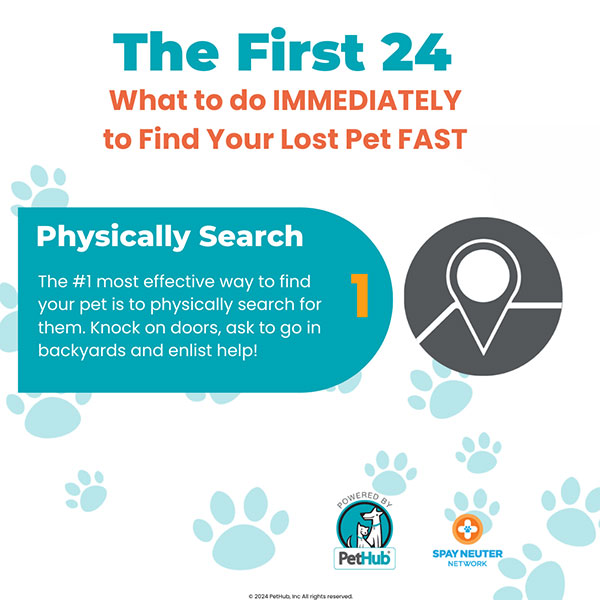
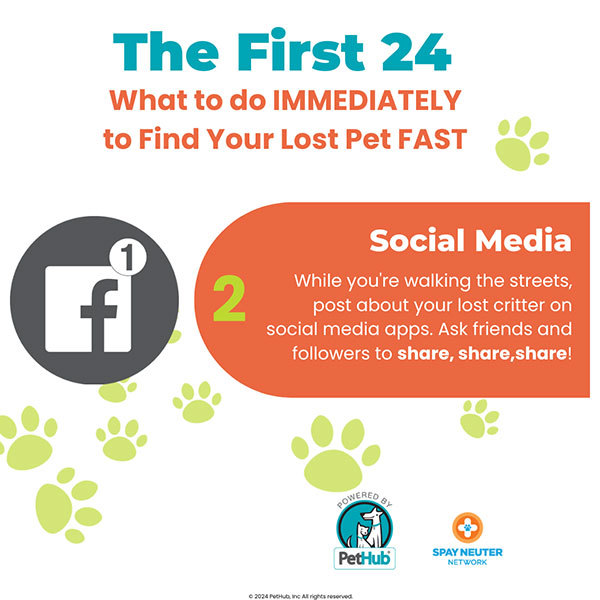
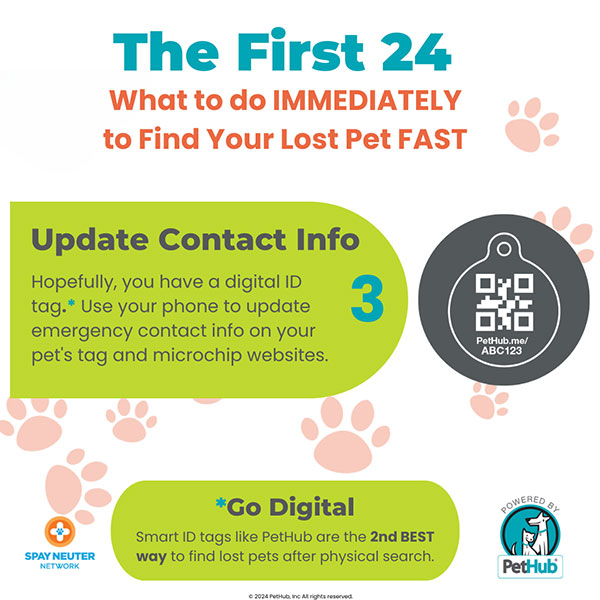
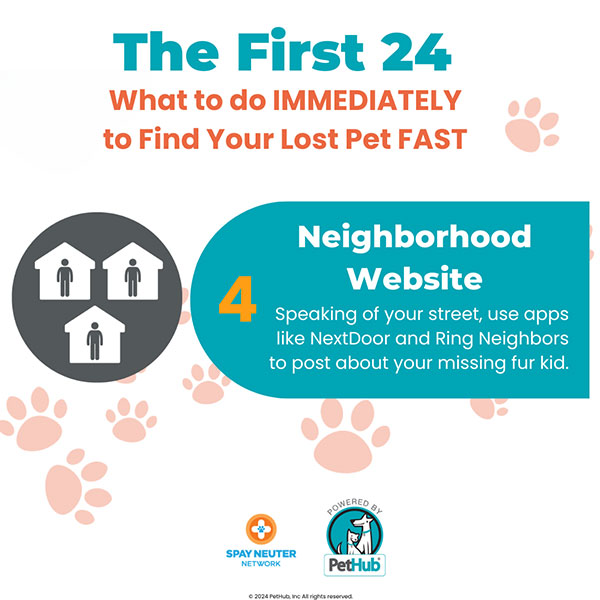
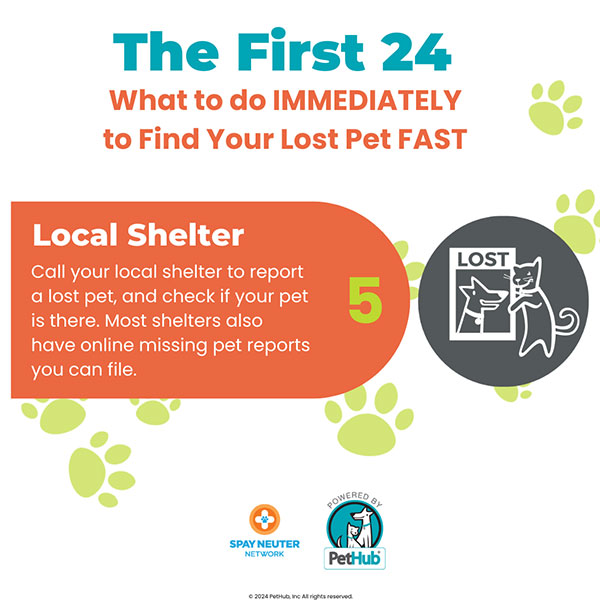
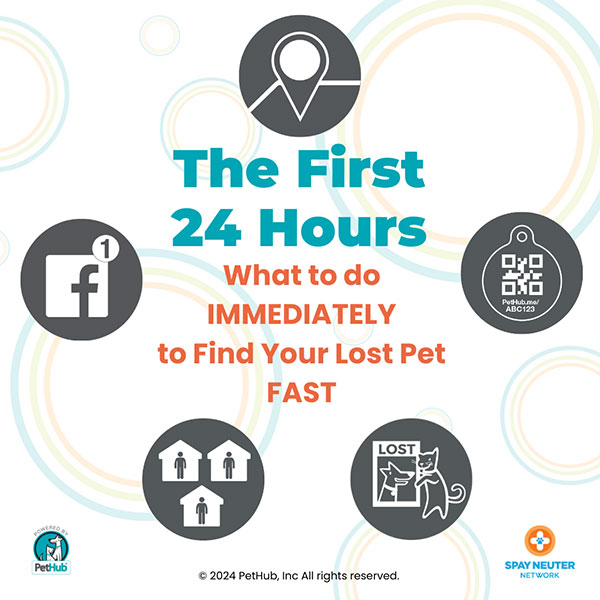
Do you know what to do the first 24 hours after your pet goes missing?
Lost Pet Prevention
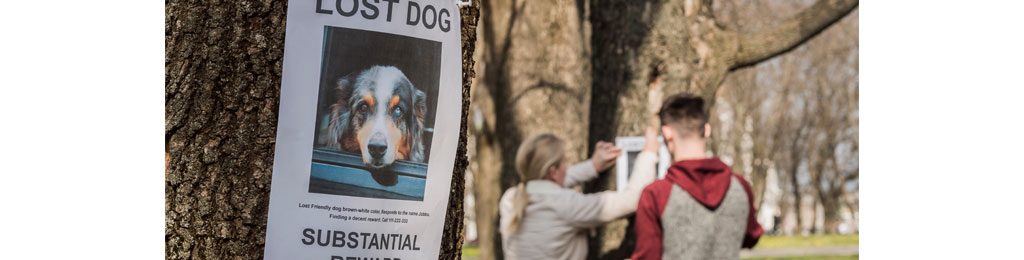
Lost Pet Prevention


Do you know what to do the first 24 hours after your pet goes missing?
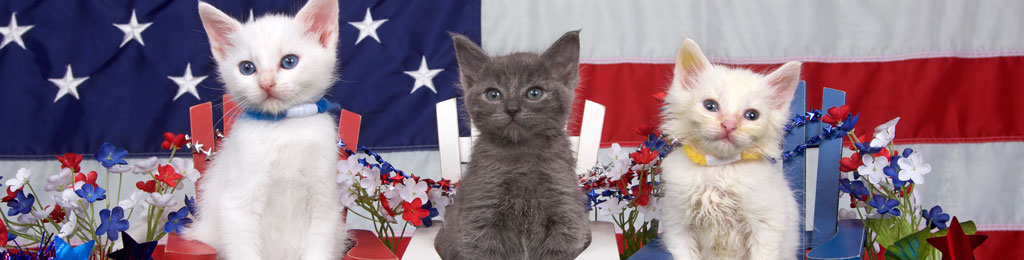
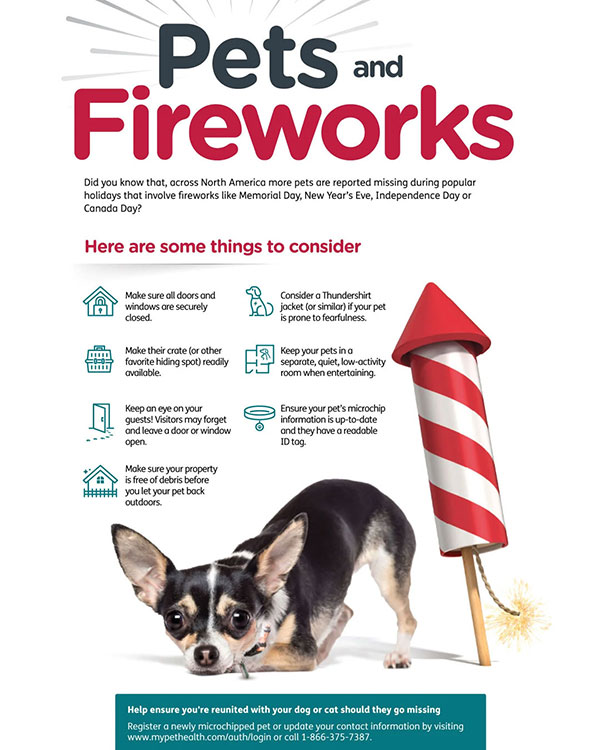
Fireworks, picnics and other Fourth of July traditions can be great fun for people; but all of the festivities can be frightening and even dangerous for animals. Noisy fireworks and other celebrations can startle animals and cause them to run away; holiday foods can be unhealthy; summer heat and travel can be dangerous; and potentially dangerous debris can end up lying on the ground where pets can eat or play with it.
The AVMA offers tips to keep your pet safe during the holiday weekend.
1. Leave your pets at home when you go to parties, fireworks displays, parades and other gatherings. Loud fireworks, unfamiliar places and crowds can all be very frightening to pets, and there’s great risk of pets becoming spooked and running away.
2. Consider putting your pets in a safe, escape-proof room or crate during parties and fireworks.
3. If you’re hosting guests, ask them to help keep an eye on your pets to make sure they don’t escape. Placing notes on exit doors and gates can help both you and your guests remain vigilant.
4. Keep your pets inside if you or your neighbors are setting off fireworks.
5. Keep sparklers, glow sticks, fireworks, charcoal and kabob skewers away from curious pets.
6. Don’t let pets get near your barbecue grill while it is in use or still hot.
7. Avoid the urge to feed your pets table scraps or other foods intended for people. Be especially careful to keep them away from these common foods that are actually toxic.
8. Remember that too much sun and heat (and humidity!) can be dangerous to pets. Keep them inside when it’s extremely hot/humid; make sure they have access to shady spots and plenty of water when outdoors; don’t leave them outside for extended periods in hot weather; and know the signs that a pet may be overheating.
9. Never leave your pet in your car when it’s warm outside. Vehicle interiors heat up much faster than the air around them, and even a short time in a locked car can be dangerous to pets.
10. If you’re travelling out of town for the holiday, consider leaving your pets at home with a pet sitter or boarding them in a kennel. If you need to bring them with you, be sure you know how to keep them safe.
11. Follow safe food handling and hygiene practices to protect your family and guests.
Read more from AVMA

1 in every 3 pets will go missing in their lifetime, and if you think it can’t happen to you, think again. If a pet you know or love is missing, a microchip can help simplify your search to bring them home.
Q: What is a microchip?
A: A microchip is a small, electronic chip enclosed in a glass cylinder that is about the same size as a grain of rice. The microchip itself does not have a battery—it is activated by a scanner that is passed over the area, and the radio waves put out by the scanner activate the chip. The chip transmits the identification number to the scanner, which displays the number on the screen. The microchip itself is also called a transponder.
Q: How is a microchip implanted into an animal? Is it painful? Does it require surgery or anesthesia?
A: It is injected under the skin using a hypodermic needle. It is no more painful than a typical injection, although the needle is slightly larger than those used for injection. No surgery or anesthesia is required—a microchip can be implanted during a routine veterinary office visit. If your pet is already undergoing anesthesia for a procedure, such as neutering or spaying, the microchip often can be implanted while they’re still under anesthesia.
Q: What kind of information is contained in the microchip? Is there a tracking device in it? Will it store my pet’s medical information?
A: The microchips presently used in pets only contain identification numbers. The microchip is not a GPS device and cannot track your animal if it gets lost. Although the microchip itself does not contain your pet’s medical information, some microchip registration databases will allow you to store that information in the database for quick reference.
Q: Should I be concerned about my privacy if my pet is microchipped? Will someone be able to track me down?
A: No. You don’t need to be concerned about your privacy. The information you provide to the manufacturer’s microchip registry will be used to contact you in the event your pet is found and its microchip is scanned. In most cases, you can choose to opt in or opt out of other communications (such as newsletters or advertisements) from the manufacturer. The only information about you ]in the database is the information that you choose to provide when you register the chip or update your information. There are protections in place so that a random person can’t just look up an owner’s identification.
Remember that having the microchip placed is only the first step, and the microchip must be registered in order to give you the best chances of getting your pet back. If that information is missing or incorrect, your chances of getting your pet back are dramatically reduced.
More pets go missing on the 4th of July weekend than any other day of the year. Petco Love Lost has tips on keeping your pet safe during the holiday weekend.
1. Prepare a week in advance.
Provide a safe place with toys and a comfortable bed. Consider taking earlier walks before it gets dark.
2. Keep your pets secured.
When panicked by fireworks, dogs and cats tend to run and hide. Turn on a radio or the tv to drown the noise of the fireworks.
3. Check your yard.
Make sure your yard fence is sturdy with no loose boards.
4. Make sure your pets microchip is up to date.
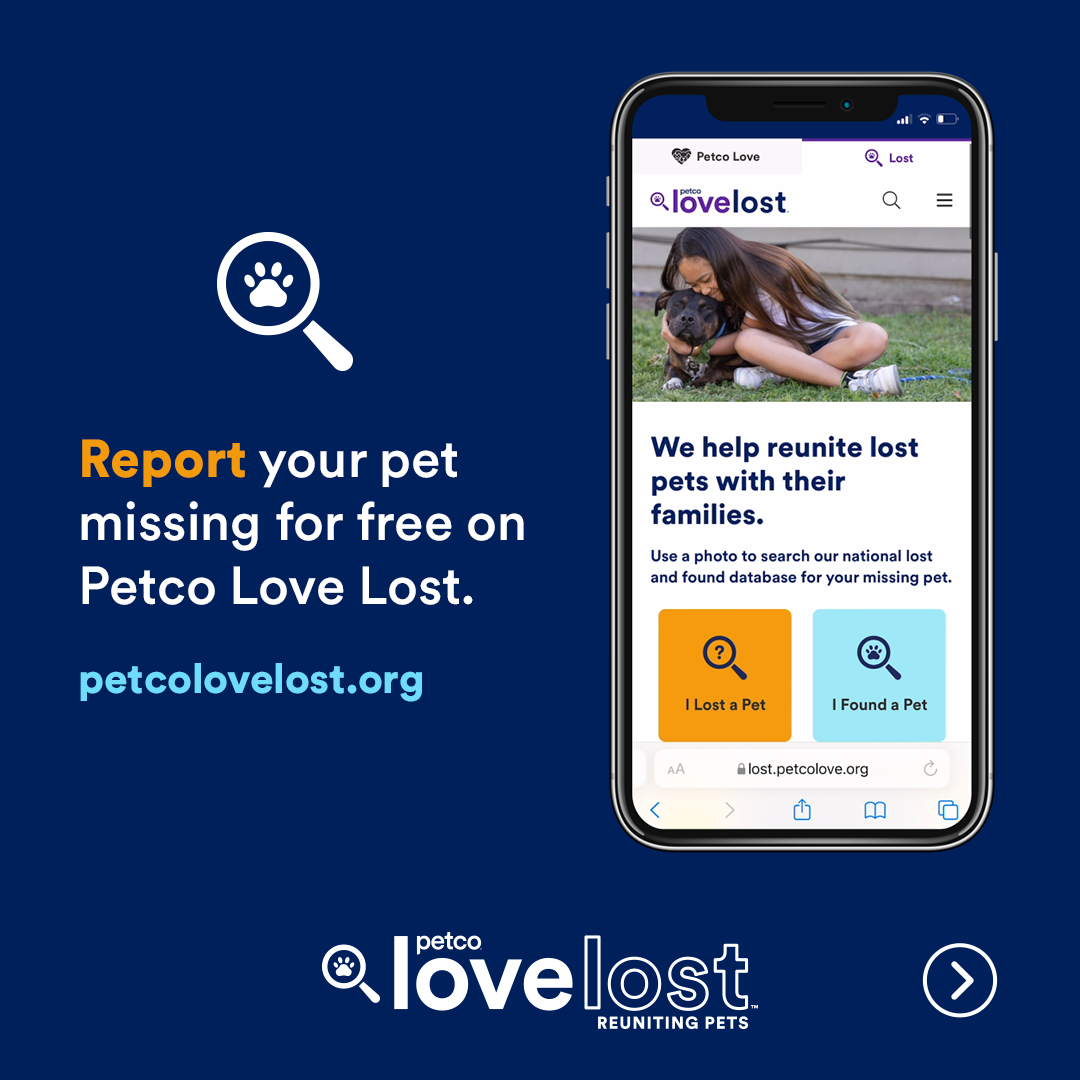
5. Register your pet on Petco Love Lost.
Upload your pet’s photo to Petco Love Lost’s free national lost and found database. If your pet goes missing, one click will allow you to quickly search thousands of found pets using patented pet facial recognition technology.
Read more from Petco Love Lost
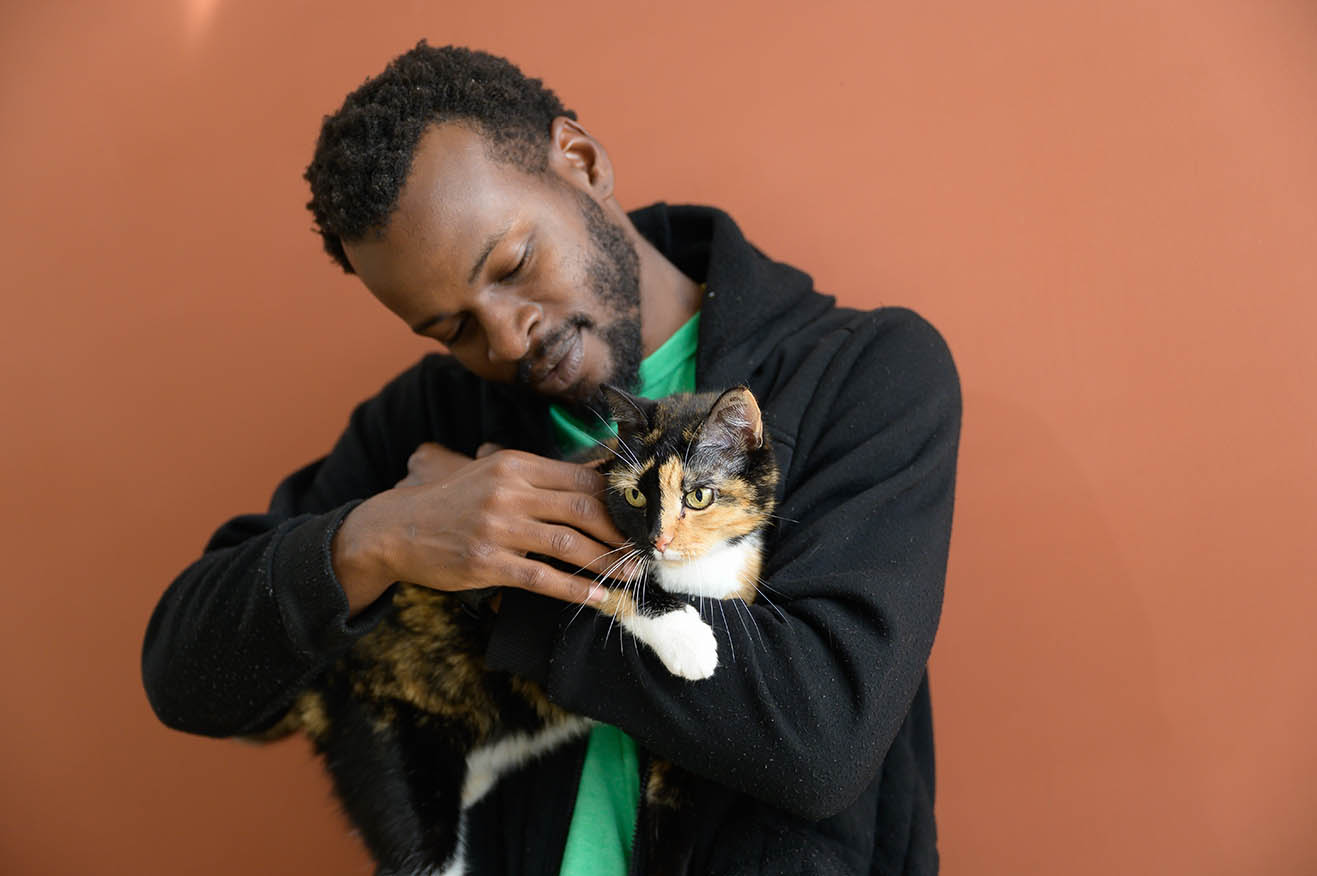
With litters of kittens needing some extra love until they’re ready for adoption or for dogs who could use a change of scenery, foster care is the ideal place to house homeless pets. Fostering for a short time can save a life and reduce shelter intake and euthanasia. Learn more about fostering from Petco Love
Did you know Spay Neuter Network provides more than spays, neuters and vaccines?
Pet Support and Resource Center: Providing a safety net for families who want to keep their pets but may need a little help to do so. Learn More…
Pet Resources: Our Pet Resource guide is a community network of organizations to help pet owners find access to free and affordable medication, pet care, fosters, pet food and more. Learn More…

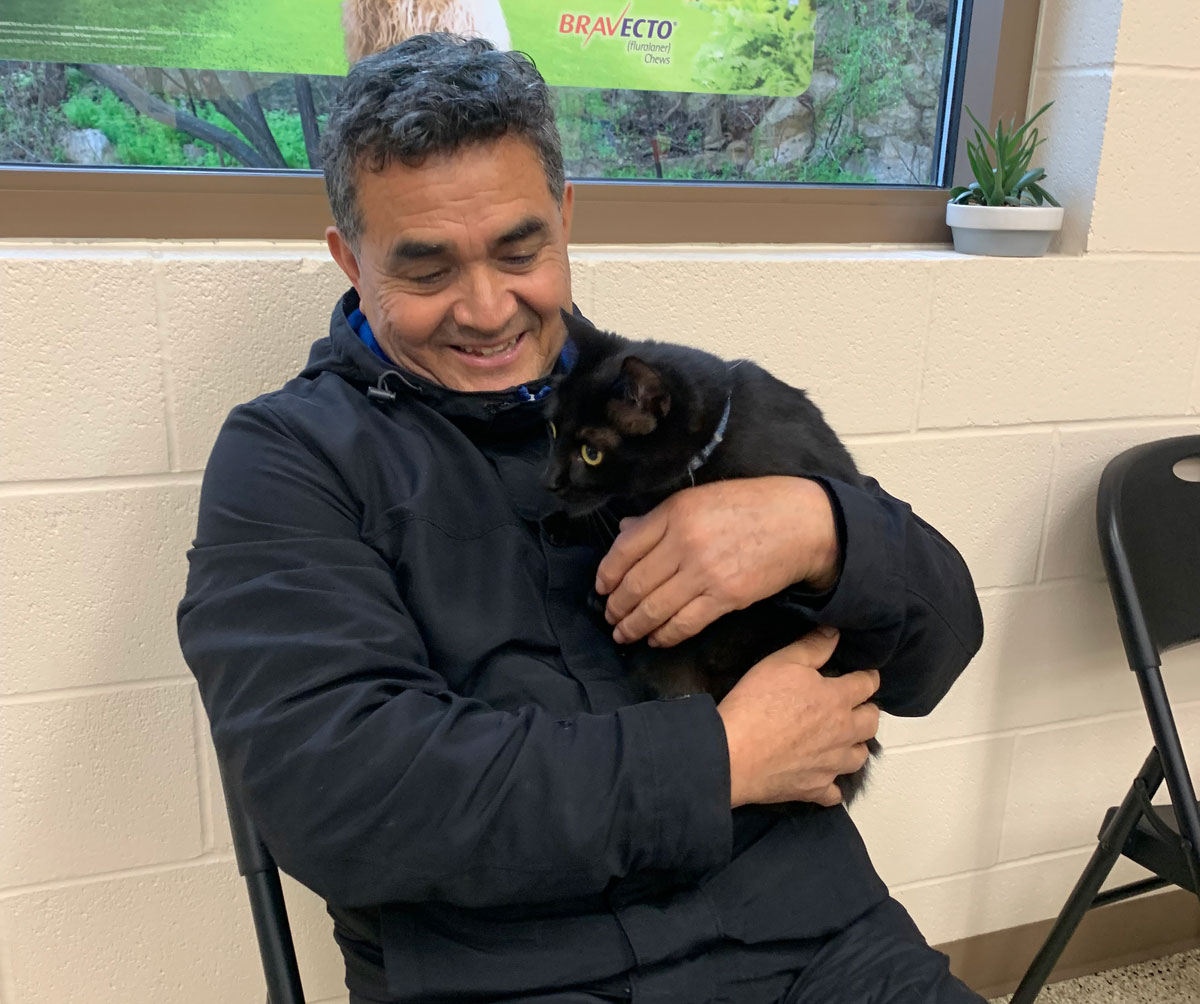
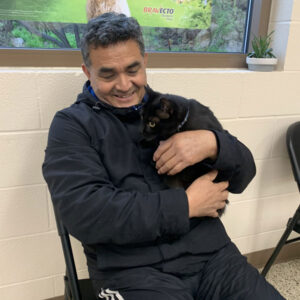
On an oppressively hot day, a customer arrived at Daniel Vasquez’s auto shop, reporting a kitten’s cries in their car. Daniel swiftly investigated, finding the kitten inside the underbody of the car. His team dismantled the undercarriage to rescue the scared eight-week-old kitten. After calming her, Daniel decided to adopt her. Six months later, at one of our vaccination events in San Antonio, Daniel reflected on his unexpected journey, expressing newfound love for his affectionate companion, Chica. “I was always a dog person until six months ago,” he said. “But she’s amazing! She’s so affectionate and loving. And I am so glad I can come to events like this to take care of her. She means the world to me.”
Join The Fix! Get access to internal communications, free tickets to events (like Lone Star Bark), have coffee with Jordan (SNN Executive Director) and the best benefit is knowing that you are helping create communities free of homeless pets. Becoming a member of The Fix is easy. Sign up to be a monthly donor and you’re in!
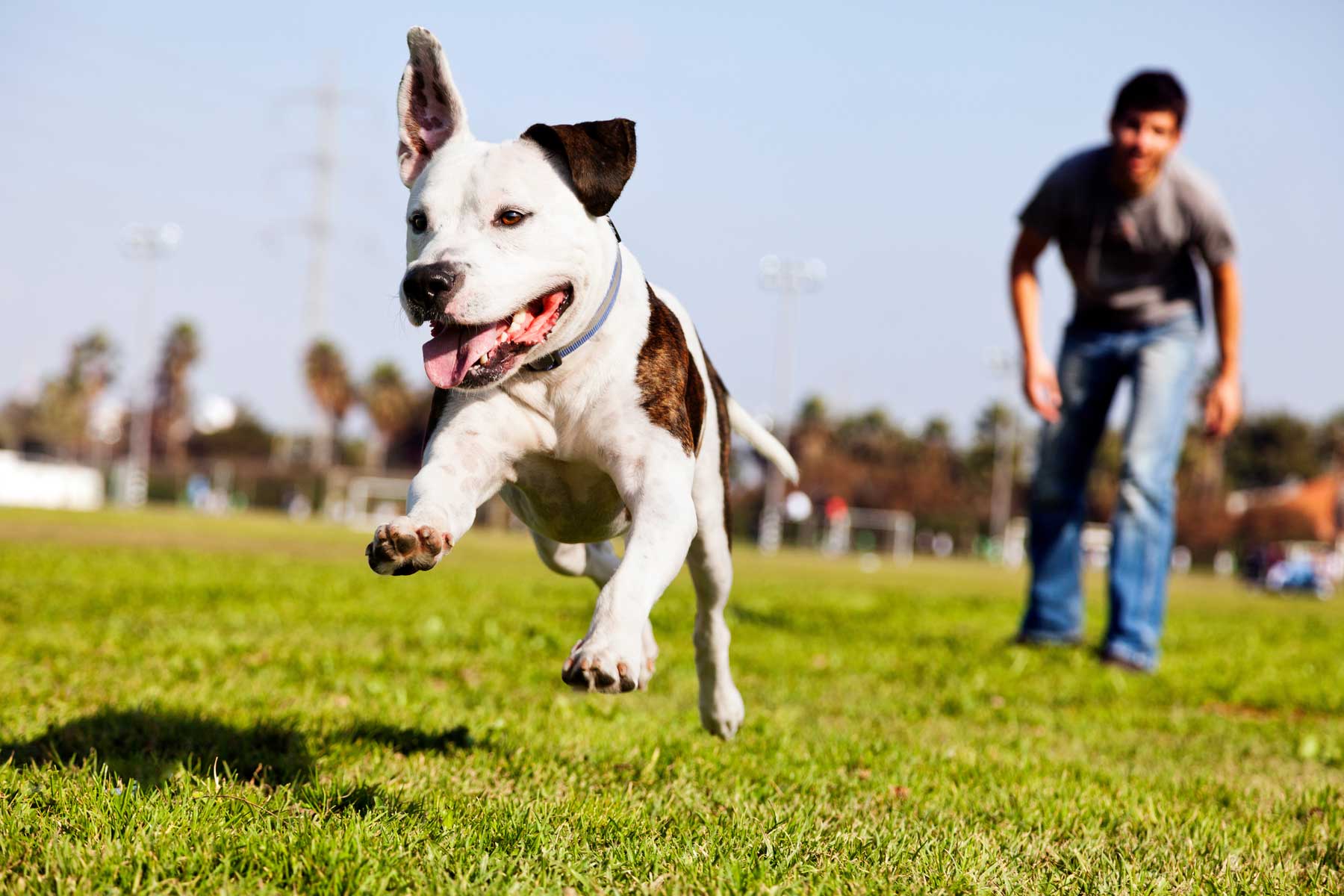
An estimated 10 million pets go missing every year and microchips greatly increase the chances that pets will be reunited with their families if they are lost or stolen.
Q: What is a microchip?
A: A microchip is a small, electronic chip enclosed in a glass cylinder that is about the same size as a grain of rice. The microchip itself does not have a battery—it is activated by a scanner that is passed over the area, and the radio waves put out by the scanner activate the chip. The chip transmits the identification number to the scanner, which displays the number on the screen. The microchip itself is also called a transponder.
Q: How is a microchip implanted into an animal? Is it painful? Does it require surgery or anesthesia?
A: It is injected under the skin using a hypodermic needle. It is no more painful than a typical injection, although the needle is slightly larger than those used for injection. No surgery or anesthesia is required—a microchip can be implanted during a routine veterinary office visit. If your pet is already undergoing anesthesia for a procedure, such as neutering or spaying, the microchip often can be implanted while they’re still under anesthesia.
Q: What kind of information is contained in the microchip? Is there a tracking device in it? Will it store my pet’s medical information?
A: The microchips presently used in pets only contain identification numbers. The microchip is not a GPS device and cannot track your animal if it gets lost. Although the microchip itself does not contain your pet’s medical information, some microchip registration databases will allow you to store that information in the database for quick reference.
Q: Should I be concerned about my privacy if my pet is microchipped? Will someone be able to track me down?
A: No. You don’t need to be concerned about your privacy. The information you provide to the manufacturer’s microchip registry will be used to contact you in the event your pet is found and its microchip is scanned. In most cases, you can choose to opt in or opt out of other communications (such as newsletters or advertisements) from the manufacturer. The only information about you ]in the database is the information that you choose to provide when you register the chip or update your information. There are protections in place so that a random person can’t just look up an owner’s identification.
Remember that having the microchip placed is only the first step, and the microchip must be registered in order to give you the best chances of getting your pet back. If that information is missing or incorrect, your chances of getting your pet back are dramatically reduced.
Why should you chip your pet?
 Estrella was brought in by a trapper to be spayed. While getting her ready for surgery, one of our vet techs noticed she had already been spayed so, she scanned her for a microchip – which she had. We were able to contact her owner who had been looking for her for over a week. Estrella’s owner was so excited to get her back.
Make sure you microchip your pet so you can find them if they get lost.
Support this and other programs. GIVE TODAY

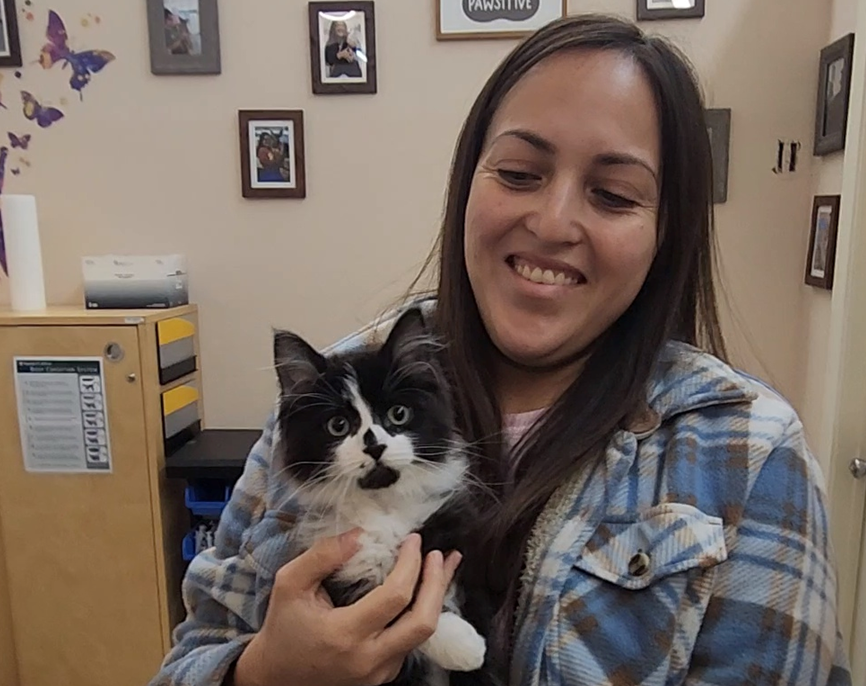
Cristal brought Felipe, a 3-month-old kitten, to our Fort Worth clinic to get him neutered. Felipe and his siblings were found in an abandoned trailer, and he was the only one who would approach Cristal. She could tell that Felipe wanted to be loved and cared for, so she decided to give him a home with her loving family. After arriving at his new home, Felipe quickly bonded with Cristal’s daughter.
Cristal was looking for an affordable option to get Feliped fixed and found our website after an online search. Thanks to donor support, Felipe was able to get neutered and receive a rabies vaccination for free. Cristal got all of the additional vaccines Felipe needed since she didn’t have to pay for his surgery.
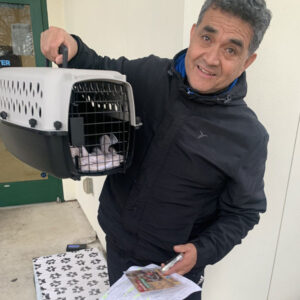
Felipe is Cristal’s first cat, so she didn’t have a cat carrier. Fortunately, we received a donation of supplies from a client earlier that day, including a new cat carrier, which we gave to Cristal. She expressed her gratitude by saying, “It’s such a blessing, a real blessing.”
Join The Fix! Get access to internal communications, free tickets to events (like Lone Star Bark), have coffee with Jordan (SNN Executive Director) and the best benefit is knowing that you are helping create communities free of homeless pets. Becoming a member of The Fix is easy. Sign up to be a monthly donor and you’re in!

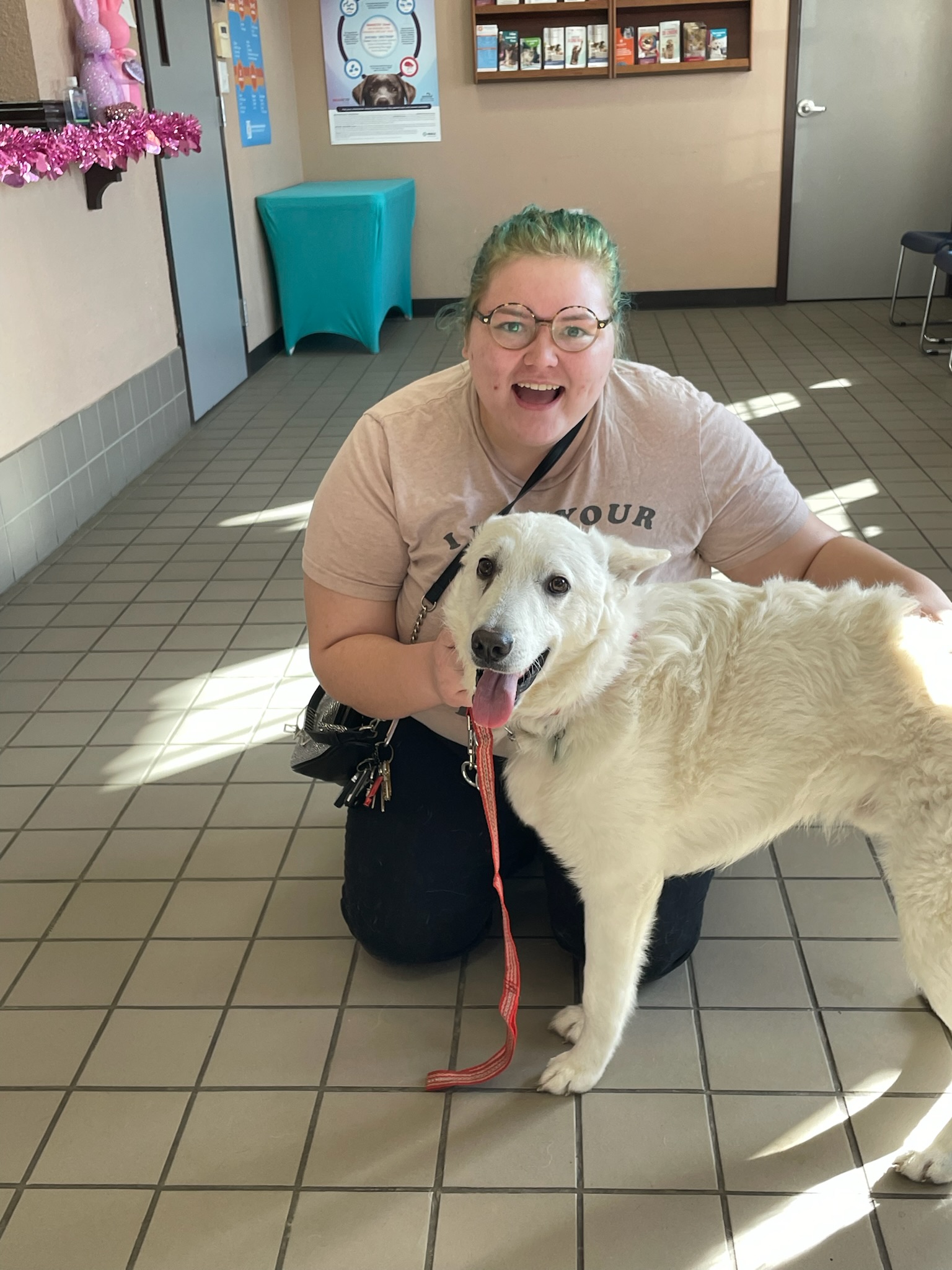
Every month each of our clinics across DFW and in San Antonio selects a dog or cat to receive an “Act of Kindness” which helps pay for a portion of the cost of services to help give back to our community and help out a pet owner.
James and his family brought 1-year-old Tohbi to our Crandall clinic to get him neutered and vaccinated. After an initial examination by the vet, it was decided that Tohbi needed to put on some more weight before we could neuter him. The team wanted to set Tohbi up for as much success as possible, so they selected him for the monthly Act of Kindness, which allowed Tohbi to get microchipped, a heartworm test, and heartworm prevention at no cost to James. “It’s amazing the work that SNN does for low-income families to help keep our pets safe and healthy.”
Join The Fix! Get access to internal communications, free tickets to events (like Lone Star Bark), have coffee with Jordan (SNN Executive Director) and the best benefit is knowing that you are helping create communities free of homeless pets. Becoming a member of The Fix is easy. Sign up to be a monthly donor and you’re in!
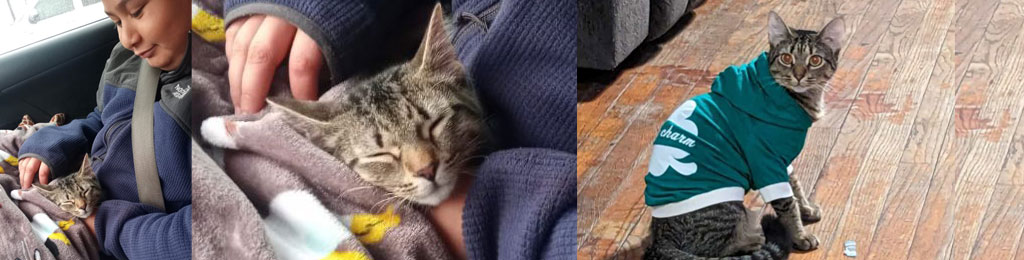
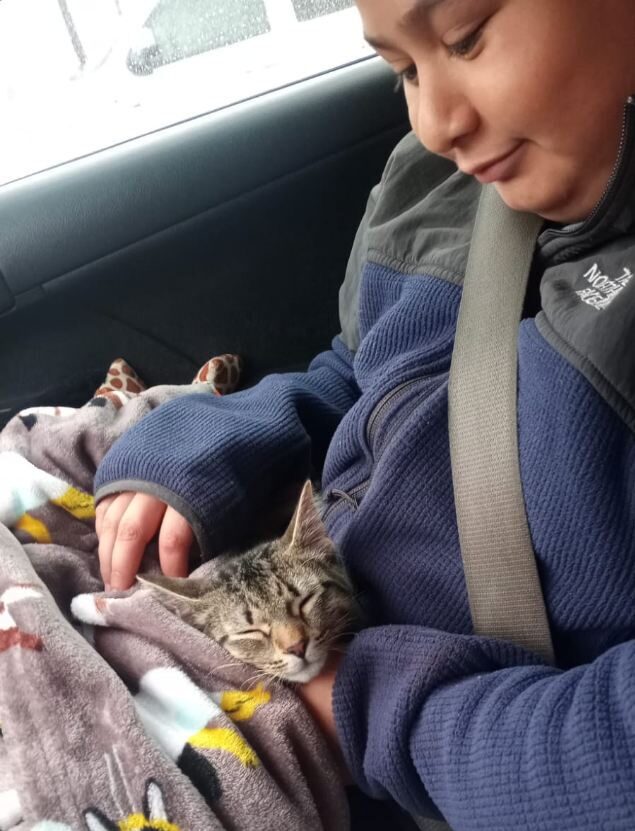
There is nothing better than spending Valentine’s Day with someone you love, especially if that love is with a pet. Being able to help families care for the pets they love allows us to continue our mission to keep pets, like Maya, in a loving home.
Georgina, who’s currently unemployed, found herself in a difficult situation when she needed to have her one-year-old cat Maya spayed and lacked the funds to pay for surgery. A friend suggested she reach out to Spay Neuter Network to see if we could help. We gave Georgina a voucher to get Maya spayed and vaccinated at no cost. She was ecstatic that we were able to help. “I am super grateful for the services that you guys are able to provide. Thank you immensely for all the assistance you have provided. I am sincerely grateful for all the support you offer and for enabling me to care for my beloved pet.”
Share the love this Valentine’s Day by supporting our vision to create compassionate communities free of homeless pets. Becoming a member of The Fix is the easiest and most efficient way to help us make an impact on communities that need us the most.
Join The Fix! Get access to internal communications, free tickets to events (like Lone Star Bark), have coffee with Jordan (SNN Executive Director) and the best benefit is knowing that you are helping create communities free of unwanted pets. Becoming a member of The Fix is easy. Sign up below to be a monthly donor and you’re in!
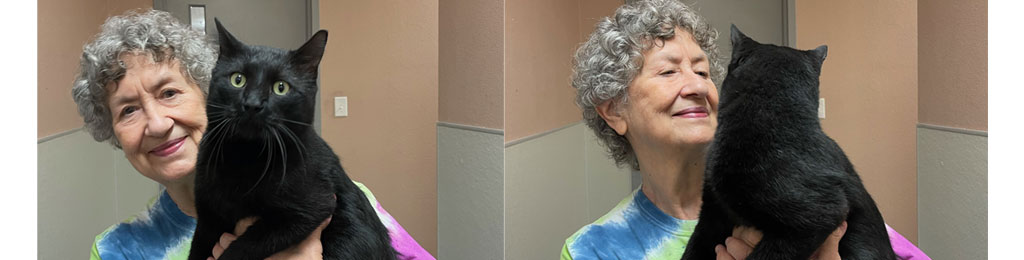
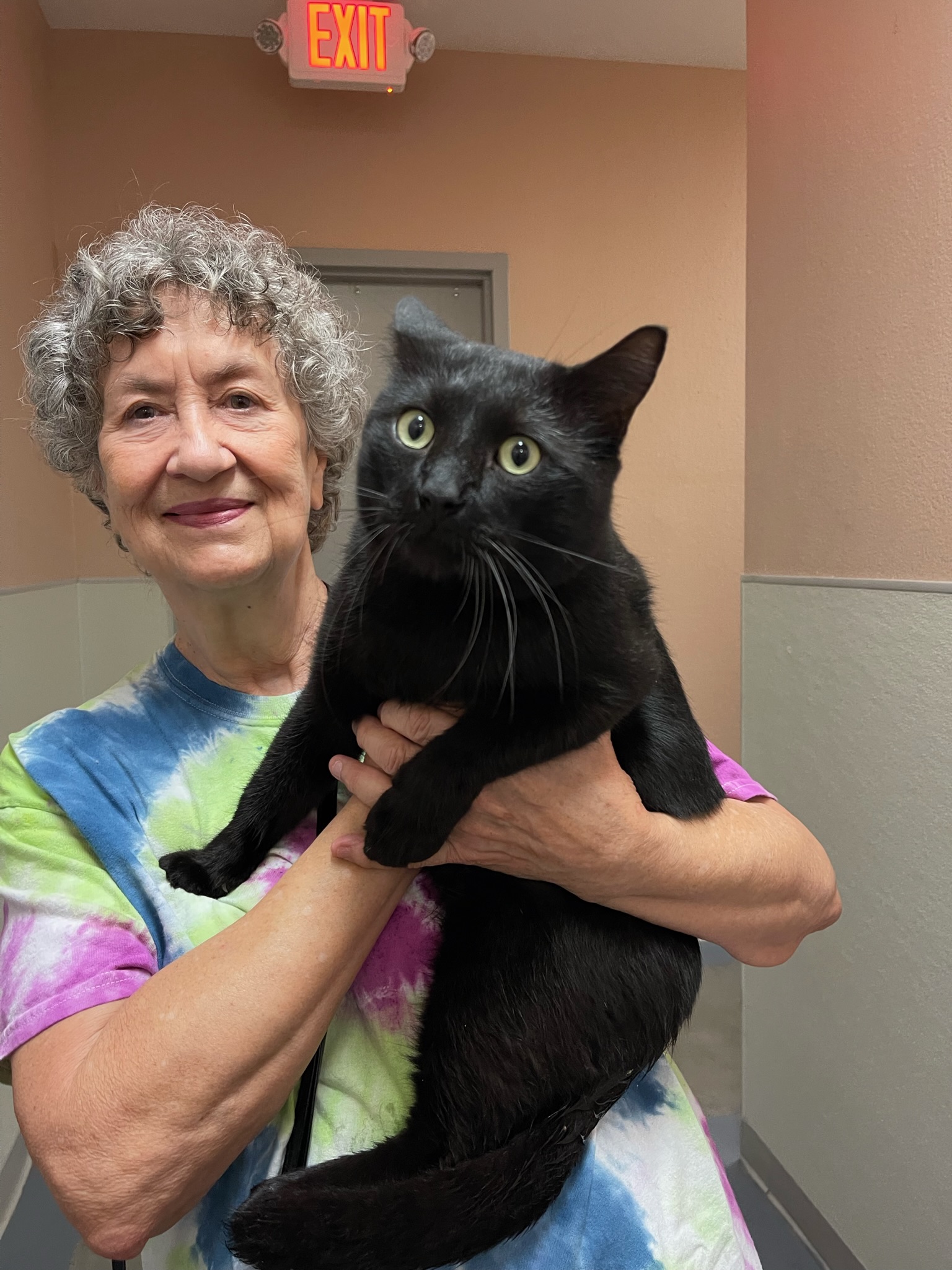
Ms. McFather found a 1-month-old little black kitten on her front porch after a momma cat dropped him off and disappeared. Ms. McFather didn’t want the little kitten to die, so she took him into her home and gave him a new life and a name, Blackie.
Now that Blackie is 8 months old, Ms. McFather knew she needed to get him neutered. Ms. McFather is on a limited income and, after calling several full-service vets, was very depressed about getting Blackie neutered. After hearing of her struggles to find a more affordable vet option, a friend suggested Spay Neuter Network. Ms. McFather made an appointment to get Blackie neutered. Ms. McFather said, “I am so glad that SNN is here to offer low-cost neuters because people like me, on a very limited income, need someone like SNN to help us take care of our pets.”
Ms. McFather brought Blackie to our Crandall clinic to get neutered. He also received a free FVRCP vaccine. After Blackie’s surgery, Ms. McFather said, “Blackie is doing great because the staff cares and took good care of him.”